The Mistake That Can Kill Your Series A Before You Start
Most tech founders entering the UAE treat company setup as an administrative decision — optimising for speed, cost, or convenience.
That mistake shows up later, usually during fundraising.
In reality, choosing between Free Zone vs Mainland UAE company setup is one of the earliest funding decisions a founder makes. We’ve seen strong startups lose momentum, valuation leverage, and sometimes entire term sheets — not because of product or traction, but because their jurisdiction was incompatible with venture capital expectations.
If your ambition is to build a venture-backed, globally scalable technology company, your UAE setup must align with your funding roadmap, not just compliance.
Why Jurisdiction Matters to Venture Capitalists
VCs don’t only evaluate your product or market. They perform deep diligence on:
- corporate structure
- shareholder rights
- enforceability of agreements
- governance and exit clarity
Their core question is simple:
“If something goes wrong, can our rights be enforced cleanly and predictably?”
This is where jurisdiction choice becomes decisive.
The Critical Distinction: VC-Allowed vs VC-Ready
A common belief among founders is:
“All UAE Free Zones allow multiple share classes now.”
Technically, this is true.
Strategically, it’s incomplete.
- VC-Allowed means a Free Zone permits preference shares, ESOPs, or complex equity on paper.
- VC-Ready means global investors are comfortable wiring capital without restructuring, legal workarounds, or added risk premiums.
Most Free Zones are VC-allowed.
Only a few are consistently VC-ready.
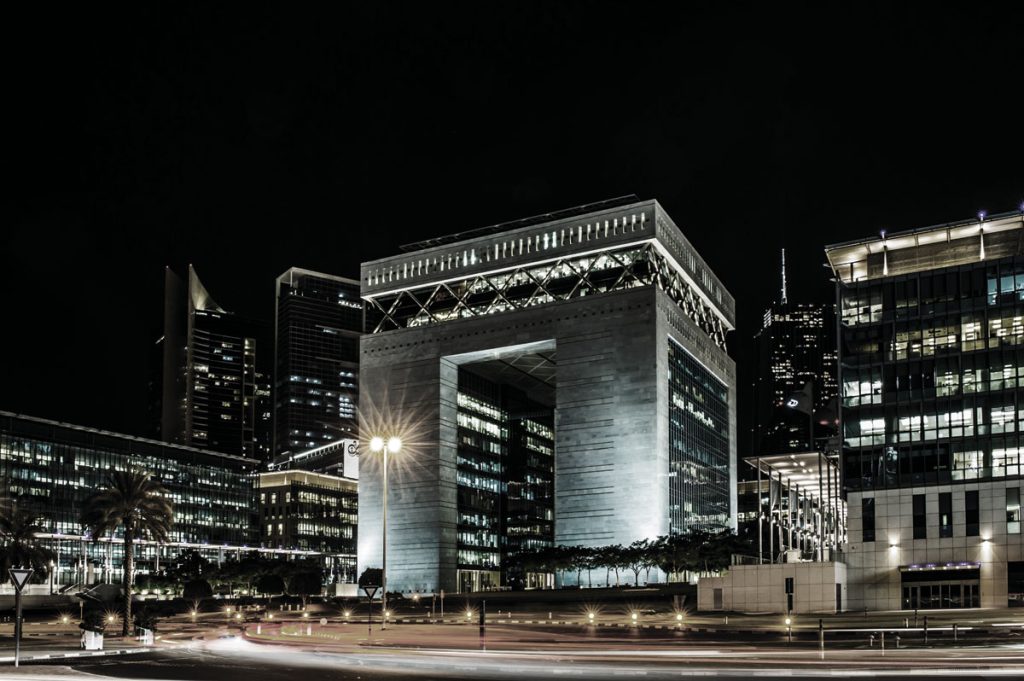
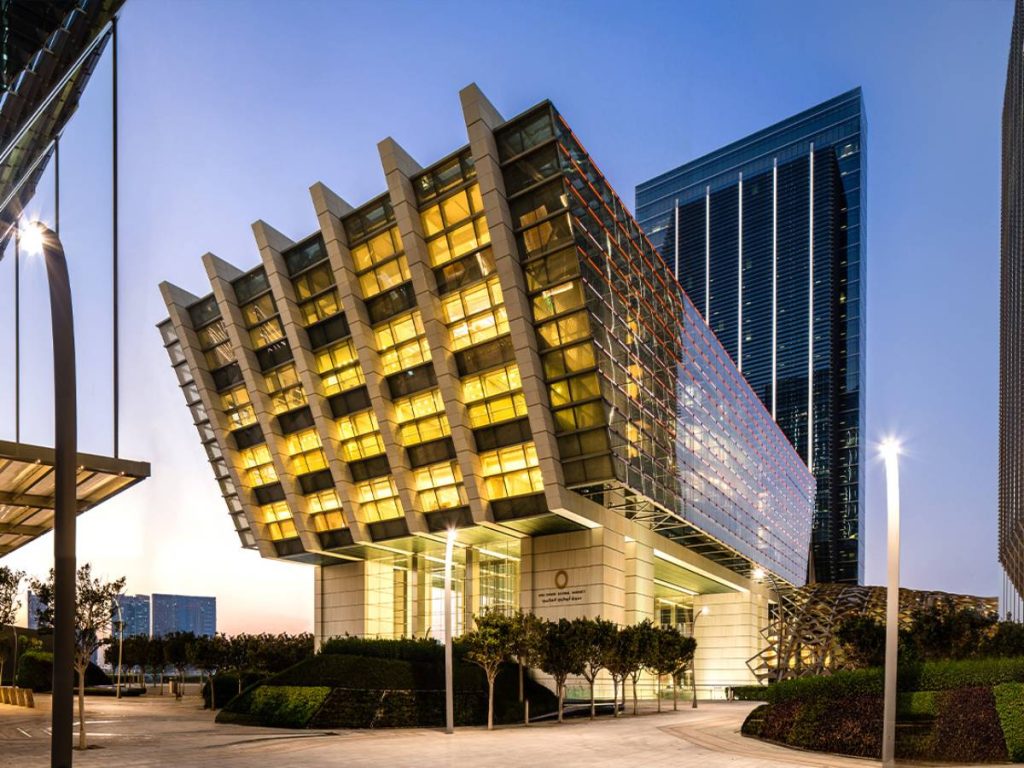
Why DIFC and ADGM Are Preferred by Global VCs
DIFC and ADGM stand out not because they are the only Free Zones with modern regulations, but because they remove ambiguity.
They operate under independent common law systems, supported by internationally respected courts and legal precedent familiar to investors from the US, UK, Europe, and Singapore.
From a VC’s perspective, this means:
- shareholder agreements behave as expected
- liquidation preferences, vesting, drag/tag rights are enforceable
- dispute resolution is predictable and internationally recognised
The result is lower diligence friction, faster deal cycles, and often better economics for founders.
Where Commercial Free Zones Fit (DMCC, DTEC, etc.)
Commercial Free Zones like DMCC and DTEC are globally respected and widely used by technology companies. They are often well-suited for:
- Seed and early Series A stages
- regionally focused tech businesses
- founders prioritising speed with reasonable structure
However, because they still operate under the broader UAE civil law framework, later-stage or institutional investors may request additional legal comfort or restructuring at scale.
These zones are not “wrong” — but stage awareness is essential.
Cost-Efficient Free Zones: Reputable, but Funding-Sensitive
Free Zones such as RAKEZ, Ajman Nu Ventures, IFZA, and others are reputable and operationally effective. They are excellent for:
- bootstrapped startups
- early experimentation
- services and SME-focused businesses
For globally VC-backed tech companies, however, they often introduce:
- higher explanation burden during diligence
- longer legal cycles
- increased investor questions
The risk is rarely rejection — it is friction at the most critical moment.
Free Zone vs Mainland: Not a Binary Choice
For many companies, the optimal structure is layered:
- a Free Zone holding company for funding, IP, and governance
- a Mainland operating entity for local contracts or distribution
The key is designing this structure before fundraising, not fixing it later.
The Strategic Insight Most Founders Miss
Company setup should not answer:
“Where can I incorporate fastest or cheapest?”
It should answer:
“Where will my future investors feel most comfortable investing?”
This is why company formation is not paperwork — it’s early capital strategy.
Don’t Let Setup Become Your Funding Bottleneck
The UAE is one of the most attractive global destinations for technology founders. But structural missteps early on can silently tax your growth later.
Your jurisdiction should:
- accelerate fundraising
- reduce investor risk perception
- support clean governance and exits
- eliminate the need for future restructuring
Ready to De-Risk Your Funding Roadmap?
Get Your UAE VC-Readiness Scorecard
SLU’s AI-Enabled VC-Readiness Scorecard evaluates your:
- business model
- target investor geography
- planned jurisdiction
- IP and cap table readiness
You receive a clear, actionable report highlighting funding risks before they surface during diligence.
👉 Download the VC-Readiness Scorecard
SLU (Softland UAE) is the strategy-first, AI-enabled market entry platform for technology founders and investors seeking compliant, scalable, and funding-ready entry into the UAE.